Understanding HIV: Symptoms, Diagnosis, and Prevention
At Rajavarma Siddha Hospital, we believe that awareness is the first step toward health. Human Immunodeficiency Virus (HIV) remains a significant global health challenge, but with early detection and the right supportive care—including the holistic wisdom of Siddha medicine—individuals can lead long, fulfilling lives.
What is HIV?
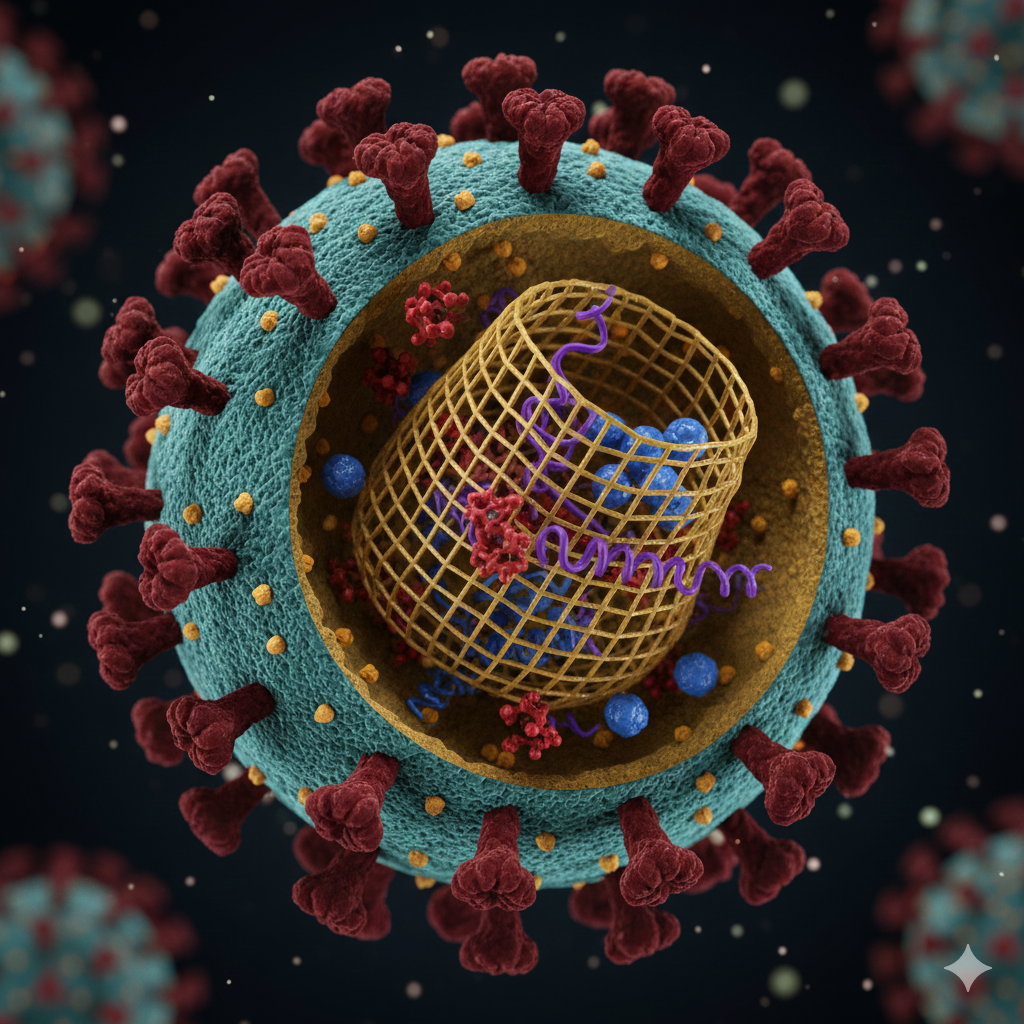
HIV is a virus that attacks the body’s immune system, specifically the CD4 cells (T cells), which help the immune system fight off infections. If left untreated, HIV can lead to AIDS (Acquired Immunodeficiency Syndrome).
1. Symptoms of HIV
HIV symptoms can vary depending on the stage of the infection. It is important to remember that many people have no symptoms for years.
Early Stage (Acute HIV Infection)
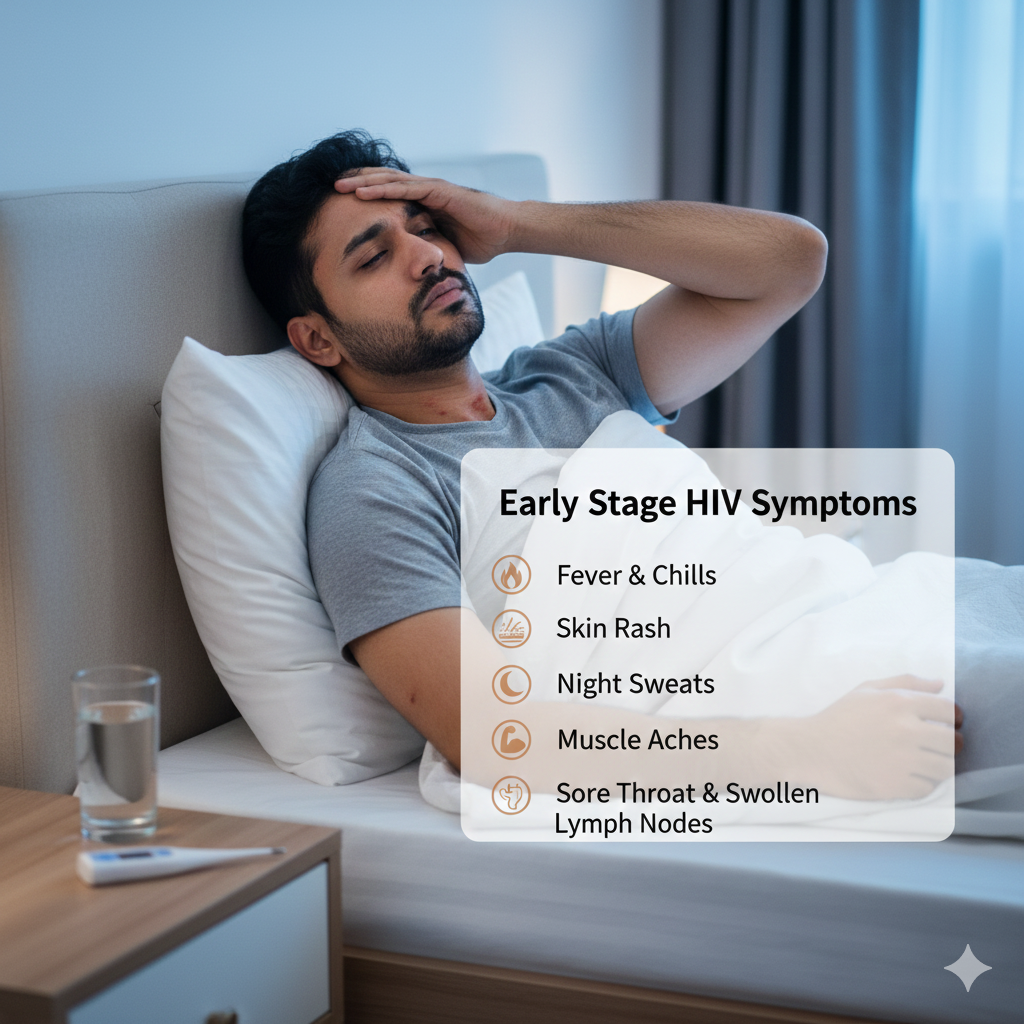
Within 2–4 weeks after infection, some people experience flu-like symptoms. This is the body’s natural response to the virus.
- Fever and Chills
- Skin Rash
- Night Sweats
- Muscle Aches and Joint Pain
- Sore Throat and Swollen Lymph Nodes
Chronic Stage (Clinical Latency)
During this phase, the virus reproduces at low levels. You may not feel sick, but you can still transmit the virus. Without treatment, this stage can last a decade or longer.
Late Stage (AIDS)
If the immune system is severely damaged, symptoms may include:
- Rapid weight loss
- Recurring fever or profuse night sweats
- Prolonged swelling of the lymph glands
- Chronic diarrhea
- Sores of the mouth, anus, or genitals
2. Diagnosis: How is HIV Detected?
The only way to know for sure if you have HIV is to get tested. Modern testing is fast, accurate, and confidential.
- Antibody Tests: Look for antibodies to HIV in blood or oral fluid.
- Antigen/Antibody Tests: Can detect HIV earlier than antibody tests by looking for both HIV antibodies and antigens (part of the virus).
- Nucleic Acid Tests (NAT): Look for the actual virus in the blood. This is usually used for high-risk exposures or when early symptoms are present.
At Rajavarma Siddha Hospital, we encourage regular screening as part of a proactive health regimen. Early diagnosis allows for better management of the body’s “Ojas” (vital energy).
3. Prevention Strategies
Prevention is always better than cure. You can greatly reduce the risk of HIV through:
- Safe Practices: Consistent and correct use of protection during intimate contact.
- PrEP (Pre-Exposure Prophylaxis): Medicine taken by people at risk for HIV to prevent getting HIV.
- Avoid Sharing Needles: Ensure all medical and tattooing needles are sterile and used only once.
- Regular Testing: Knowing your status and your partner’s status is crucial.
The Siddha Perspective at Rajavarma Siddha Hospital
In Siddha medicine, we focus on strengthening the Internal Defense System (Immunity). Siddha treatments can provide powerful supportive care:
- Kayakalpa Therapy: Ancient rejuvenation techniques to boost cellular immunity.
- Stress Management: Through Yoga and Pranayama to maintain the mental strength necessary for long-term health.
Why Choose Rajavarma Siddha Hospital?
We provide a compassionate, confidential environment where we combine traditional Siddha wisdom with an understanding of modern diagnostics. Our goal is to improve the quality of life, reduce the side effects of conventional medications, and help patients maintain their strength.
Take Control of Your Health Today.
If you have concerns about your health or wish to explore holistic immune support, our experts are here to help.