HSV: Understanding Symptoms, Diagnosis, and the Importance of Awareness
At Rajavarma Siddha Hospital, we believe that clarity is the foundation of health. The Herpes Simplex Virus (HSV) is a widely misunderstood condition. Our goal is to provide you with the facts, reduce the stigma, and guide you toward professional consultation for a balanced, healthy life.
What is HSV?
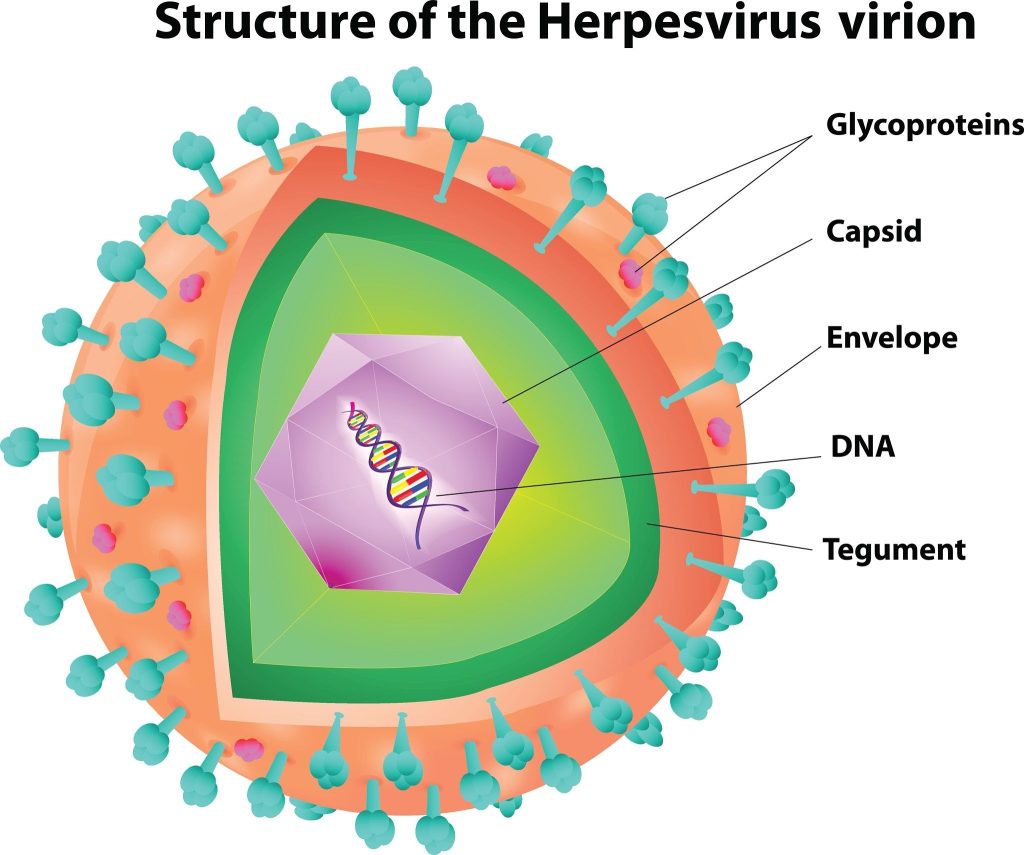
Herpes Simplex Virus is a viral infection that primarily affects the skin and mucosal surfaces. It is categorized into two main types:
- HSV-1: Typically associated with oral symptoms (cold sores).
- HSV-2: More commonly associated with genital symptoms.
Once the virus enters the body, it resides in the nerve tissues. Awareness of how it behaves is the first step in managing your long-term well-being.
1. Recognizing the Symptoms
Symptoms can be subtle or go unnoticed for years. Recognizing them early allows for better lifestyle adjustments.
Early Warning Signs (The Prodromal Phase)
Before any physical signs appear, many individuals experience “warning” sensations:
- Tingling or Itching: A persistent “pins and needles” feeling in the affected area.
- Localized Pain: A burning sensation or tenderness on the skin.
Active Physical Signs
- Small Blisters: Clusters of tiny, fluid-filled bumps.
- Sores: When blisters rupture, they form small, shallow ulcers that eventually crust over.
- Flu-like Symptoms: During a first occurrence, one might experience body aches, swollen glands, and mild fever.
2. Diagnosis: The Path to Certainty
You cannot diagnose HSV based on internet searches alone. Proper clinical diagnosis is essential to distinguish HSV from other skin conditions or infections.
- Clinical Examination: A healthcare professional examines the physical sores.
- PCR/Swab Testing: Taking a sample from an active sore to detect the presence of the viral DNA.
- Serology (Blood Tests): Checking for IgG antibodies to determine if you have been exposed to the virus in the past.
Note: Diagnosis at Rajavarma Siddha Hospital is handled with the utmost confidentiality and compassion. Knowing your status is not a setback—it is the start of an informed health journey.
3. The Role of Awareness & Consultation
Why is it important to consult with a Siddha expert?
In traditional Siddha wisdom, the body is seen as an ecosystem. When a virus is present, it indicates an opportunity to review your body’s “Ojas” (Vitality) and “Pitta” (Internal Heat) levels.
Why Professional Consultation Matters:
- Personalized Guidance: Every body type (Prakriti) reacts to viruses differently.
- Immune Awareness: Learn how stress, diet, and lifestyle impact your body’s natural defenses.
- Safe Environment: Professional consultation provides a space to ask questions without judgment.
4. Prevention and Healthy Living
Awareness leads to better prevention. By understanding the virus, you can protect yourself and others:
- Recognize Triggers: Learn how lack of sleep or high stress can impact your health.
- Safe Practices: Understand the importance of protection and avoiding contact during active phases.
- Holistic Balance: Incorporating Yoga and a balanced diet to keep the body’s internal environment stable.
Take the First Step: Consult Today
At Rajavarma Siddha Hospital, we emphasize that you are more than a diagnosis. Our experts are here to provide the awareness and support you need to maintain a high quality of life.
Confidentiality is our priority. Your health is our mission.